Introduction
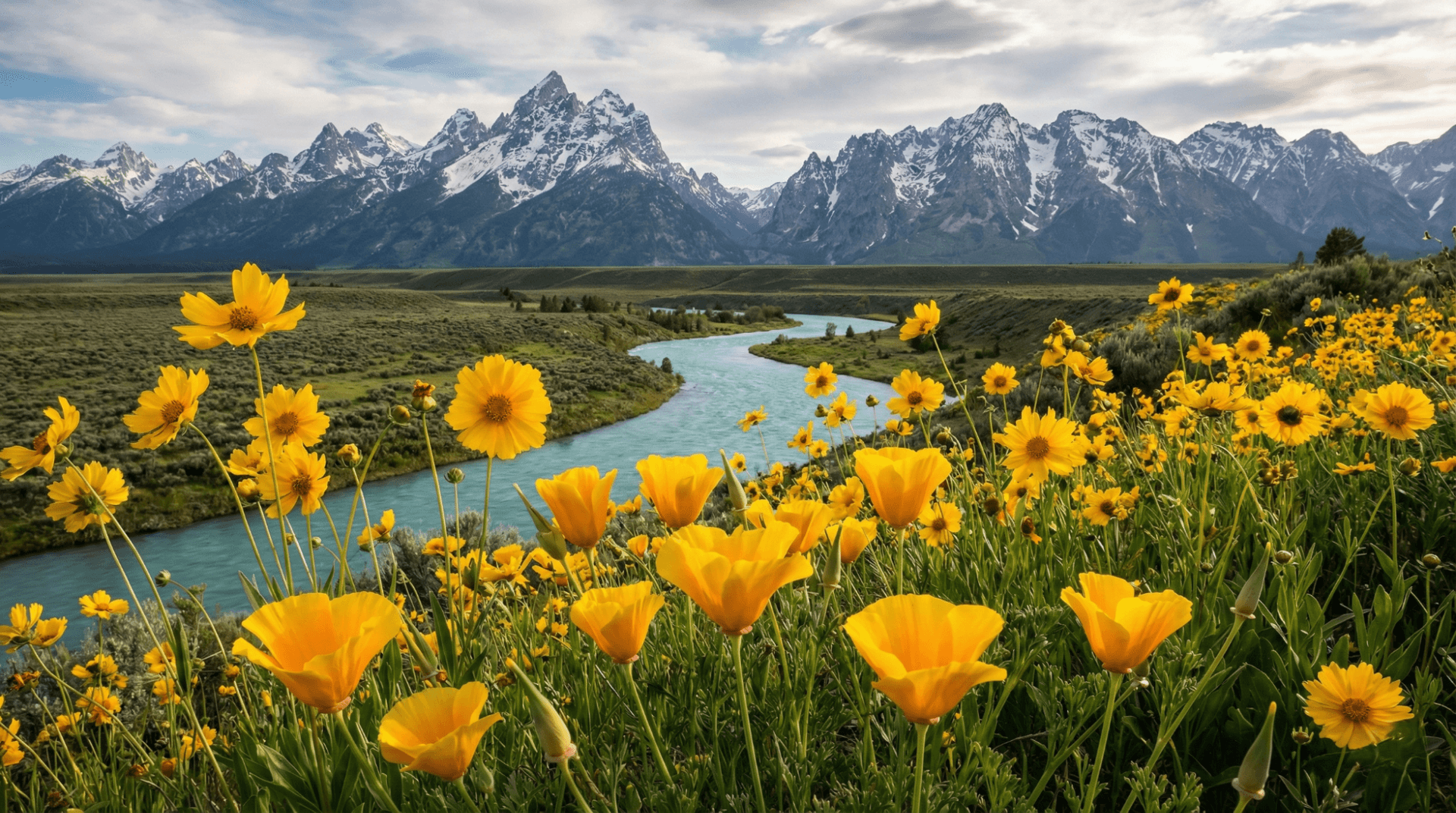
In an era where high-resolution cameras are in nearly every pocket and AI editing tools are ubiquitous, the true differentiator between a snapshot and a masterpiece remains the human eye. Photography composition is the art of arranging elements within a frame to guide the viewer’s eye and tell a compelling story. It is the backbone of visual storytelling, transforming a chaotic scene into an aesthetically pleasing image.
Whether you are a beginner looking to improve your Instagram feed, an advanced photographer refining your portfolio, or a content creator aiming for professional-quality visuals, mastering composition is non-negotiable. For designers and social media enthusiasts, understanding how to balance elements is crucial for creating impactful imagery that resonates in a crowded digital landscape.
1. Rule of Thirds
The Rule of Thirds is arguably the most fundamental rule in photography, yet it remains timeless because it aligns with how humans naturally view images.
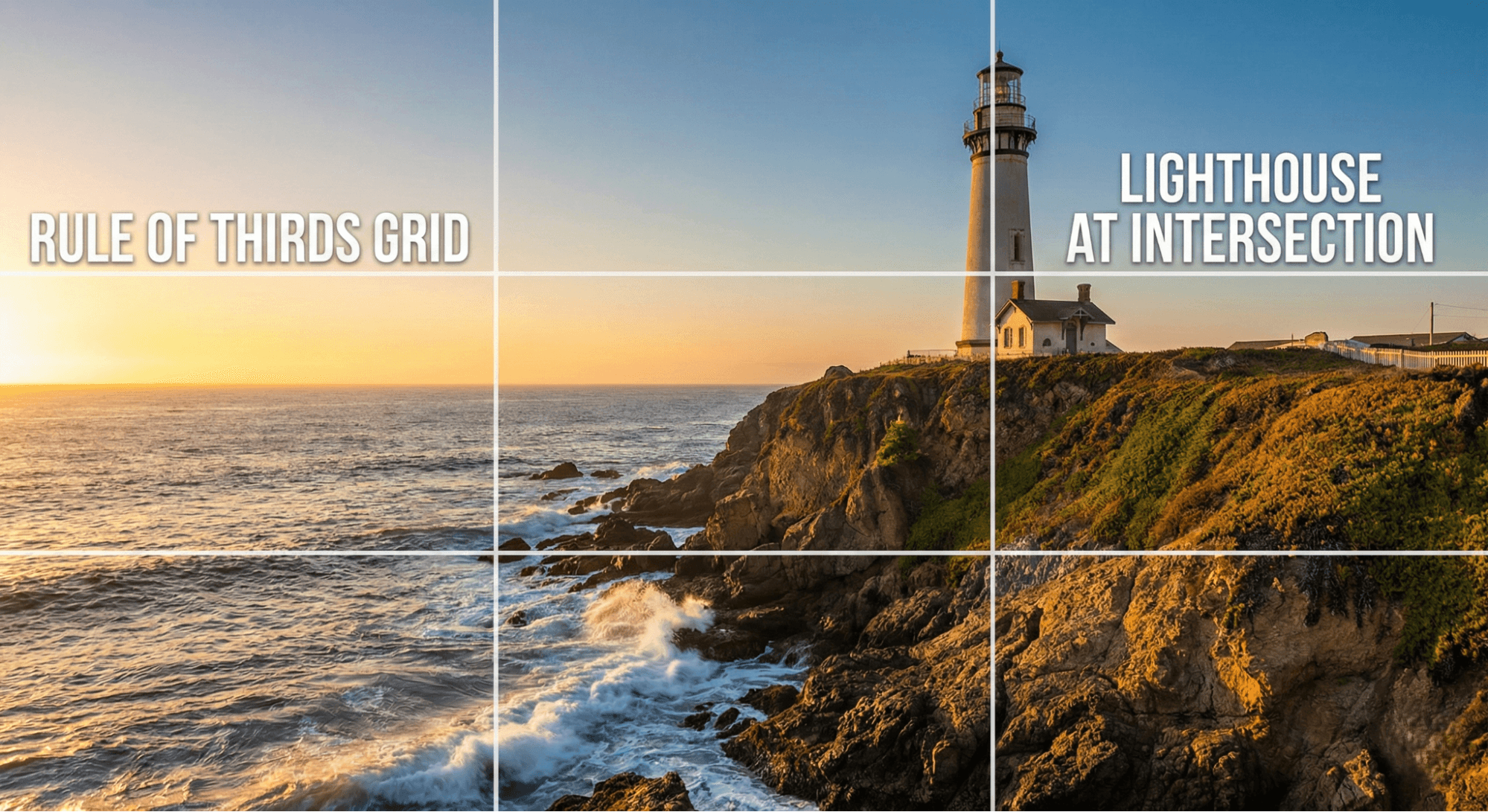
- Brief Overview: Instead of placing your subject dead center, you divide your frame into a 3x3 grid (two horizontal lines and two vertical lines) and place key elements along these lines or at their intersections.
- Key Points:
- Enable the grid overlay on your camera or smartphone settings.
- Place the horizon on the top or bottom horizontal line, never the middle.
- Position the main subject (like a person's eyes) at one of the four intersection points.
- Example Use Cases: Landscapes (balancing sky and land), Portraits (offsetting the subject), Macro photography.
- Tools or Aids: Smartphone grid overlay, DSLR viewfinder grid, post-processing crop tools.
- Pros and Cons:
- Pros: Creates energy and interest; prevents static, boring images.
- Cons: Can become repetitive if used for every single shot.
- Who Should Use This: Essential forbeginners to learn balance and content creators for dynamic layouts.
2. Leading Lines
Leading lines are powerful tools that control the viewer's journey through the photograph.
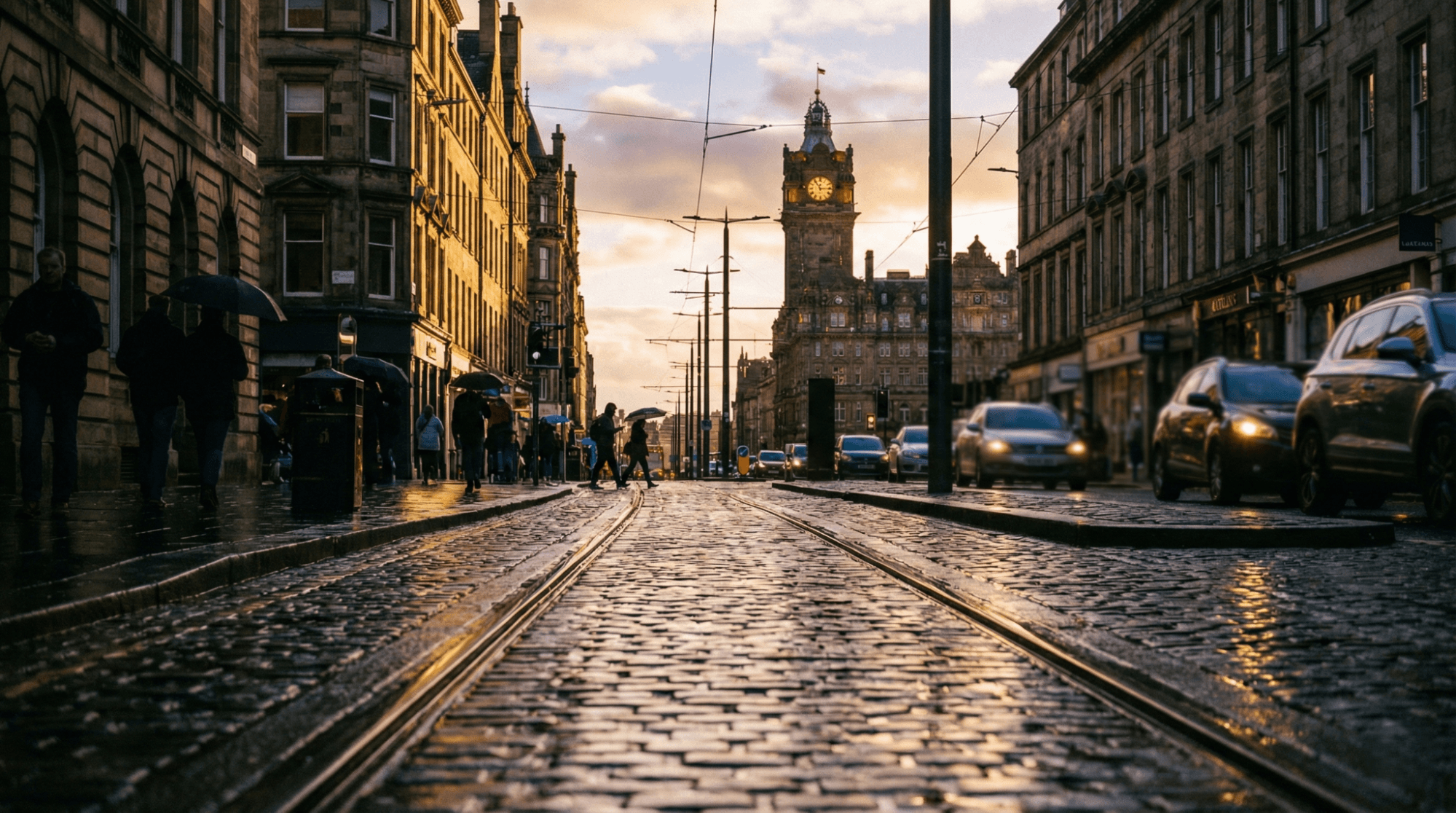
- Brief Overview: This technique uses natural or artificial lines in the environment to point directly toward the main subject.
- Key Points:
- Look for roads, fences, bridges, or even rays of light.
- Ensure the lines actually lead to the subject, not out of the frame.
- Curved lines (S-curves) often feel more organic and calming than rigid straight lines.
- Example Use Cases: Street photography, architectural shots, nature trails.
- Tools or Aids: Wide-angle lenses to exaggerate perspective.
- Pros and Cons:
- Pros: Creates a strong sense of depth and focus.
- Cons: If the lines lead nowhere, the viewer feels lost.
- Who Should Use This: Landscape photographers and architectural enthusiasts.
3. Symmetry & Patterns
Humans are naturally drawn to order and balance. Breaking a pattern or capturing perfect symmetry can be incredibly visually arresting.
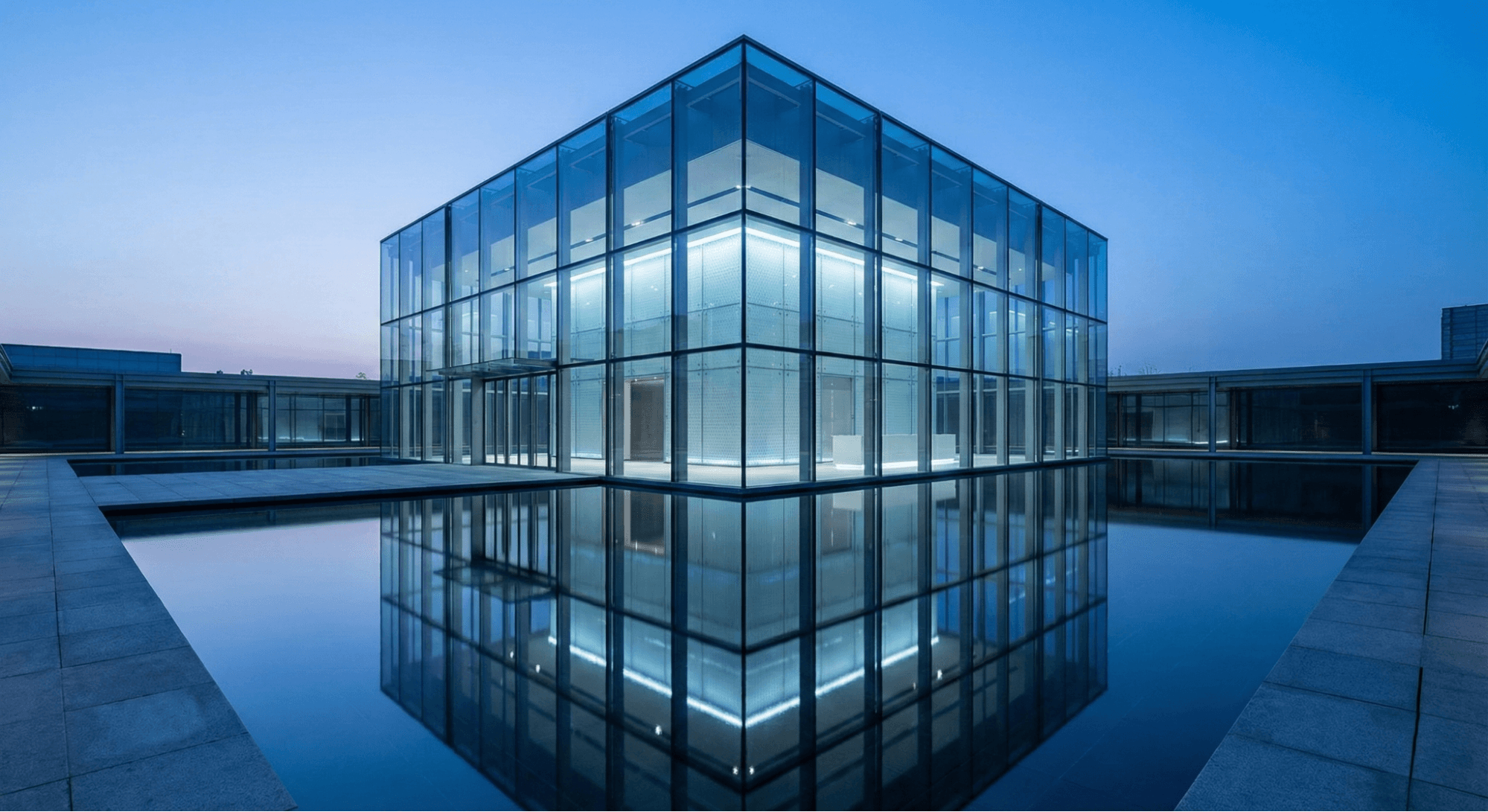
- Brief Overview: This involves mirroring distinct parts of your image or capturing repetitive shapes. This technique is highly popular in modern urban and drone photography.
- Key Points:
- Look for reflections in water, glass, or shiny buildings.
- Fill the frame with a repetitive pattern (like windows) and break it with one contrasting element.
- Shoot from the absolute center to maintain perfect alignment.
- Example Use Cases: Architecture, reflections, abstract photography.
- Tools or Aids: Tripods for stability, spirit levels.
- Pros and Cons:
- Pros: Aesthetically pleasing and professional look.
- Cons: Difficult to find naturally; imperfections become very obvious.
- Who Should Use This: Designers and minimalists.
- Related Reading: Understanding visual balance is crucial. Learn more about structure in our guide: What are the 7 Main Principles of Design?
4. Framing & Perspective
Framing involves using elements within the scene to create a "frame" around your subject, adding context and depth.

- Brief Overview: By shooting through natural or architectural openings, you isolate the subject and draw the eye directly to it.
- Key Points:
- Use doorways, windows, arches, or overhanging tree branches.
- Experiment with perspective: Shoot from a "worm's eye view" (low) or "bird's eye view" (high).
- Blur the foreground frame to add a sense of voyeurism or intimacy.
- Example Use Cases: Portraits, travel photography, storytelling images.
- Tools or Aids: Any object in the environment (fences, hands, leaves).
- Pros and Cons:
- Pros: Adds context and layers to the image.
- Cons: Can obscure important parts of the subject if not careful.
- Who Should Use This: Storytellers and creative portrait photographers.
5. Depth & Layering
Photography is a 2-dimensional medium, but composition can create the illusion of 3D depth.
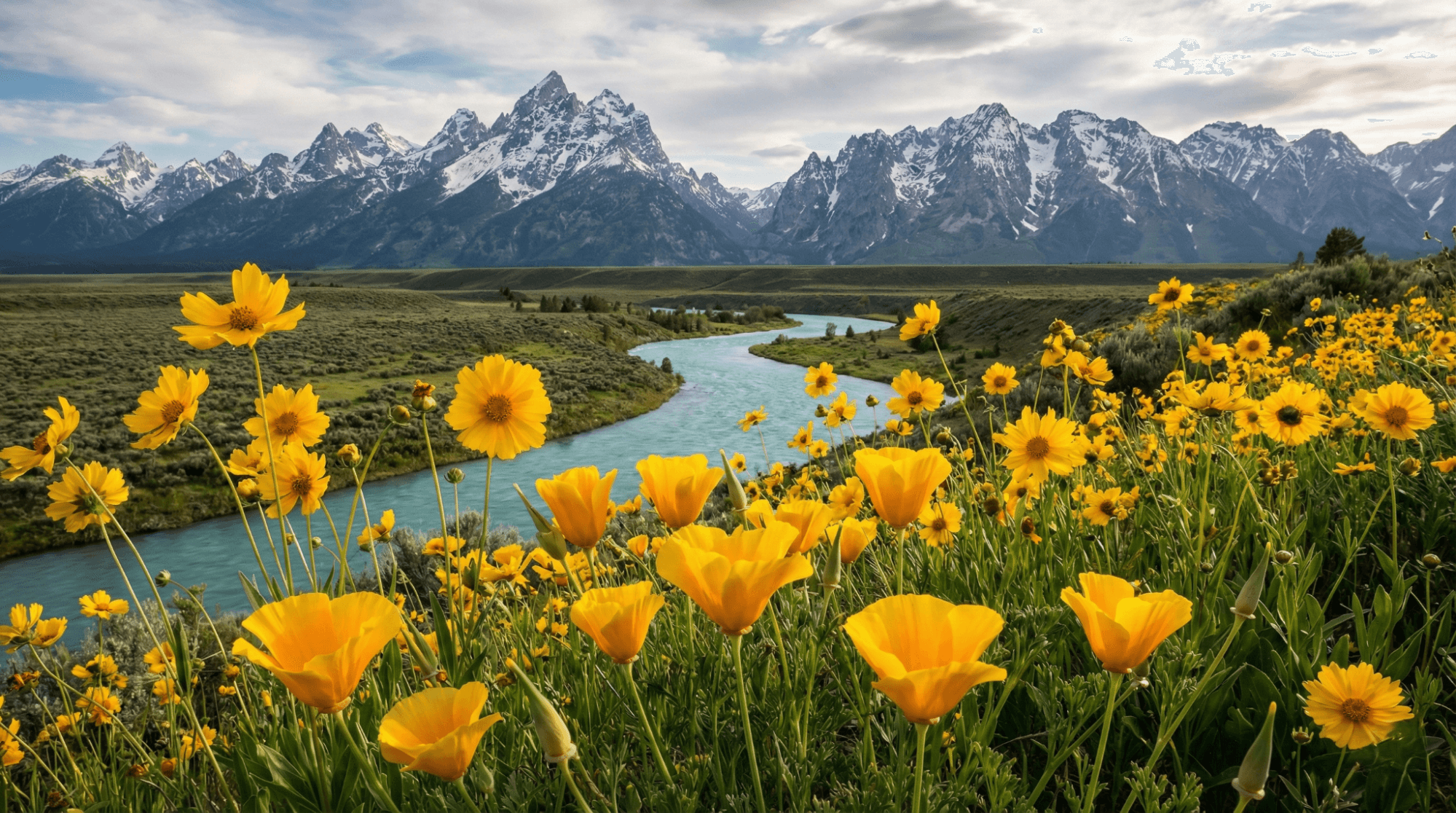
- Brief Overview: This technique divides the image into three distinct zones: foreground, midground, and background.
- Key Points:
- Place an interesting object in the foreground (like a rock or flower) to anchor the viewer.
- Ensure the midground connects the foreground to the background.
- Use "Depth of Field" (aperture settings) to decide what stays sharp.
- Example Use Cases: Grand landscapes, cityscapes.
- Tools or Aids: Wide-angle lenses, small aperture (f/8 or higher) for deep focus.
- Pros and Cons:
- Pros: Makes the viewer feel like they are "stepping into" the photo.
- Cons: Requires careful focus stacking or hyperfocal distance knowledge.
- Who Should Use This: Advanced landscape photographers.
- Related Reading: To capture optimal depth, having the right gear helps. Check out: How to Choose the Best Camera for Your Photography Style?
6. Minimalism & Negative Space
In a cluttered world, minimalist photography stands out by offering visual relief.

- Brief Overview: Minimalism uses "negative space" (empty areas like sky, water, or a plain wall) to emphasize a small, isolated subject.
- Key Points:
- Declutter the frame relentlessly; remove anything that doesn't add value.
- Use contrasting colors to make the small subject pop.
- Embrace large areas of emptiness to create a mood of solitude or elegance.
- Example Use Cases: Product photography, fashion, artistic portraits.
- Tools or Aids: Studio backdrops, open skies.
- Pros and Cons:
- Pros: Evokes strong emotion; looks modern and clean.
- Cons: Can look "empty" or boring if the subject isn't interesting enough.
- Who Should Use This: Product photographers and modern artists.
Usability & Design Tips for Better Photos
Composition does not exist in a vacuum; it works hand-in-hand with lighting and design principles to create a cohesive image.
Lighting & Exposure
Even the best composition will fail if the lighting is flat. Use shadows to define shapes and highlights to direct attention. Side lighting, for example, enhances the texture in a "Leading Lines" shot, while soft diffuse light complements "Minimalist" portraits.
Balancing Elements
Visual weight matters. A large, dark object on one side of the frame needs to be balanced by a smaller object or negative space on the other. This prevents the photo from feeling "heavy" on one side. Designers often use these same principles when creating layouts.
Inspiration from Digital Art
One of the best ways to train your eye is to study existing high-quality visuals. Looking at top-tier wallpapers or digital art can help you understand how professionals utilize color and spacing.
- Related Reading: For visual inspiration on framing and color, you can browse the 6 Best Wallpaper Apps.
Conclusion
Improving your photography isn't just about buying the newest sensor or using AI filters; it is about mastering the fundamentals of photography composition. By applying the Rule of Thirds, utilizing Leading Lines, playing withSymmetry, and understanding Depth, you can transform ordinary scenes into memorable art.
Which technique should you start with?
- If you are on a Smartphone, start with the Rule of Thirds grid.
- If you love Architecture, practice Symmetry & Patterns.
- If you want dramatic Landscapes, focus on Depth & Layering.
Photography is a journey of experimentation. Take your camera, go outside, and start framing the world differently. For those seeking constant visual inspiration to keep their creative eye sharp, Wallpezia offers a gallery of ideas to help you see the potential in every shot.
@All assets in this blog are sourced from Wallpezia