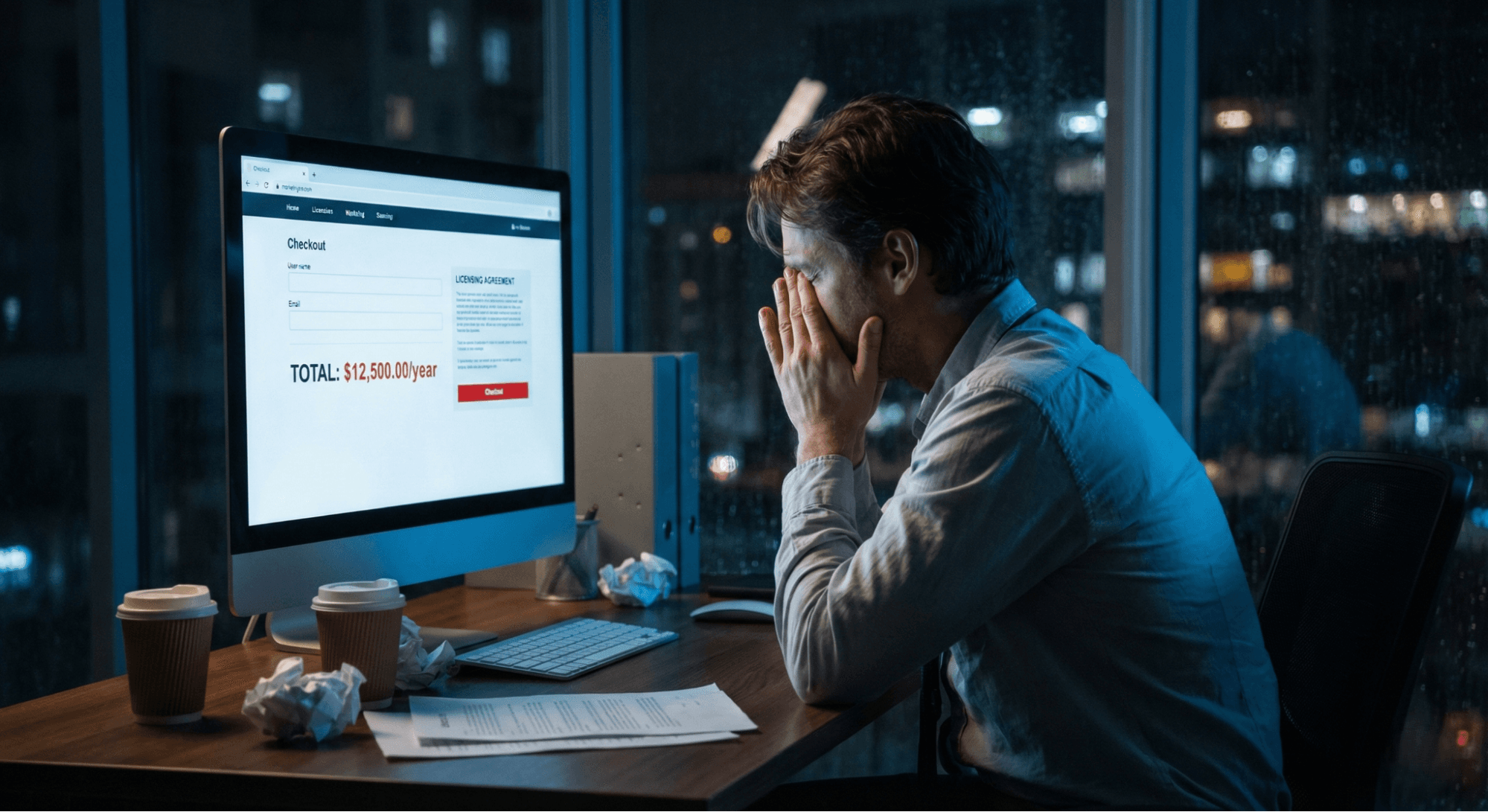
Imagine this: You’ve just wrapped up the design for your new marketing campaign. The copy is snappy, the layout is perfect, and all you need is that one hero image to tie it all together. You find the perfect stock photo, click "buy," and suddenly you're staring at a checkout screen asking for $499 for a single "Extended License."
Your jaw drops. You just wanted to use it on a billboard and a few t-shirts. Why is the price ten times higher than the monthly subscription fee advertised on the home page?
If you’ve ever felt this sticker shock, you aren’t alone. Navigating the world of commercial image licensing can feel like walking through a minefield of hidden costs and confusing terms. But getting it wrong—or skipping the license altogether—can cost you far more in legal fees.
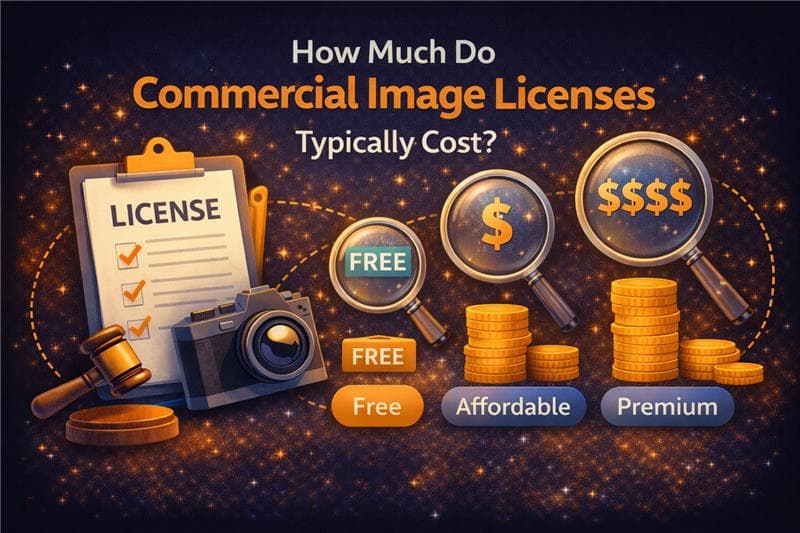
In this guide, we’ll break down exactly what you should expect to pay, what factors drive those prices up, and how you can source high-quality, commercially safe images without blowing your entire marketing budget.
The Basics: What Are You Actually Paying For?
A Commercial Image License is essentially a rental agreement. You aren't buying the photo itself (the copyright usually remains with the photographer); you are buying the right to use it to generate revenue.
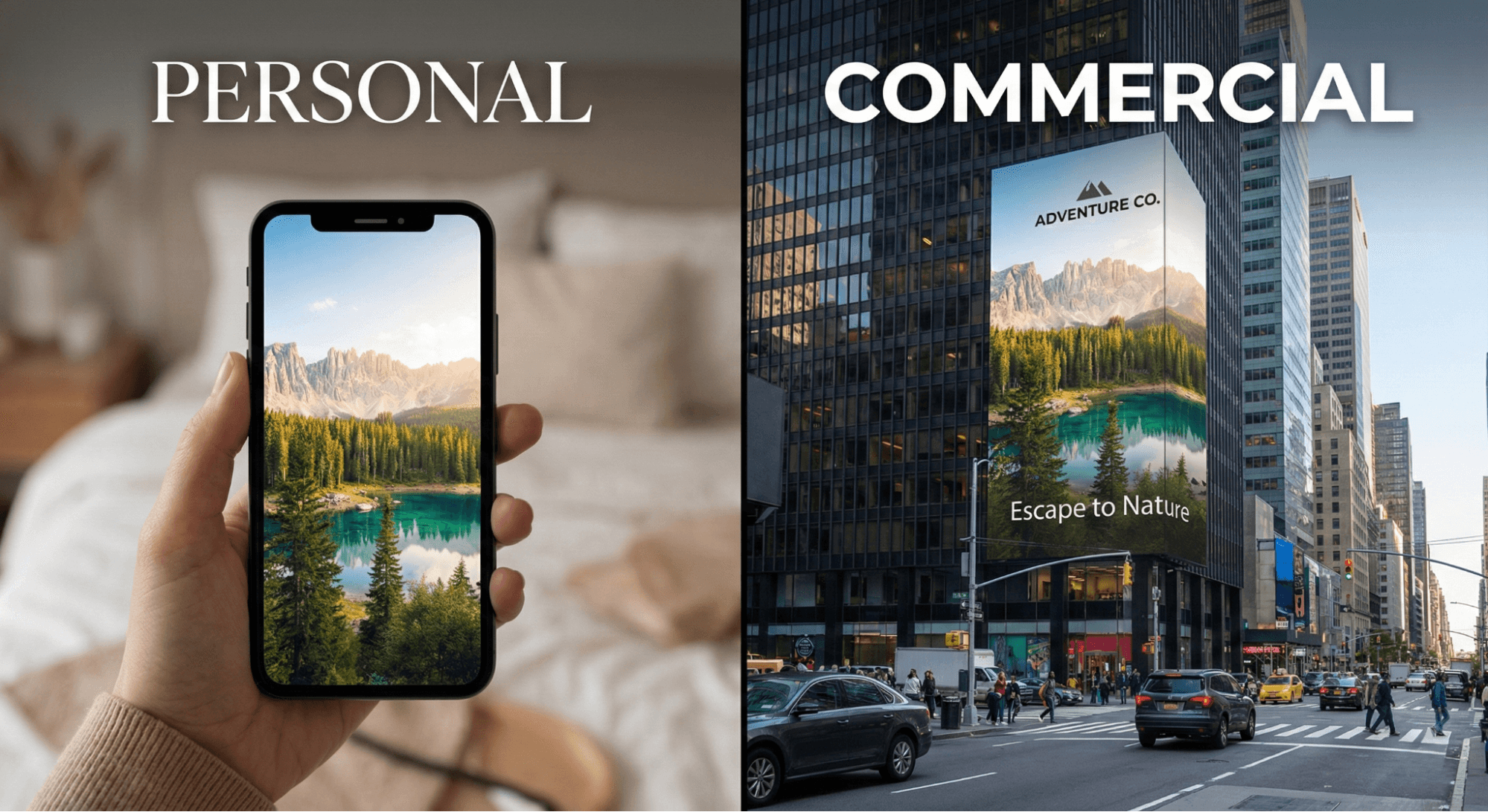
- Personal Use (Often Free): Using a photo for your phone wallpaper or a private school project. No money is changing hands, and you aren't promoting a business.
- Commercial Use (Paid): Using a photo on a business website, a Facebook ad, a brochure, or product packaging. Because these activities help you make money, the creator expects to be compensated.
Example:
If you download a free wallpaper for your iPhone, that’s personal use. If you take that same image, put it on your company's homepage, and run ads driving traffic to it, that is commercial use. Without a proper license, that simple website update could lead to a copyright infringement lawsuit.
5 Factors That Affect Image Pricing
Why does one photo cost $10 while another costs $500? It usually comes down to these five variables:
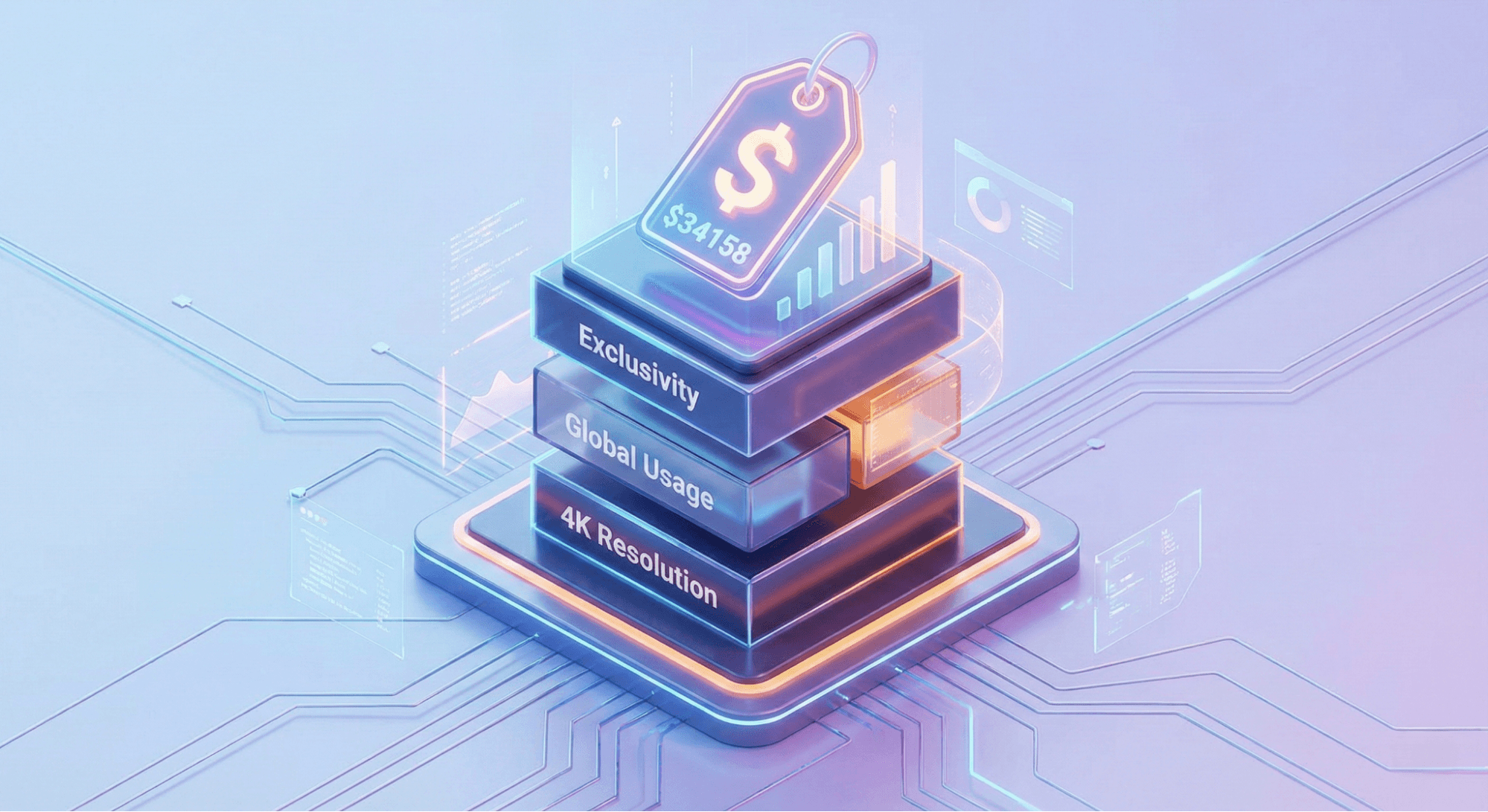
- License Type (Standard vs. Extended)
- Standard License: Usually covers digital use (websites, social media) and small print runs (e.g., under 500,000 copies).
- Extended/Enhanced License: Required for merchandise (t-shirts, mugs), huge print runs, or products for resale. This is where prices jump significantly.
- Image Resolution
- A small, low-res file for a blog post is often cheaper than a massive 4K or RAW file needed for a billboard or print magazine.
- Usage Scope
- Are you using it once on a flyer? Or on a global TV spot? The wider the reach, the higher the price.
- Platform Reputation
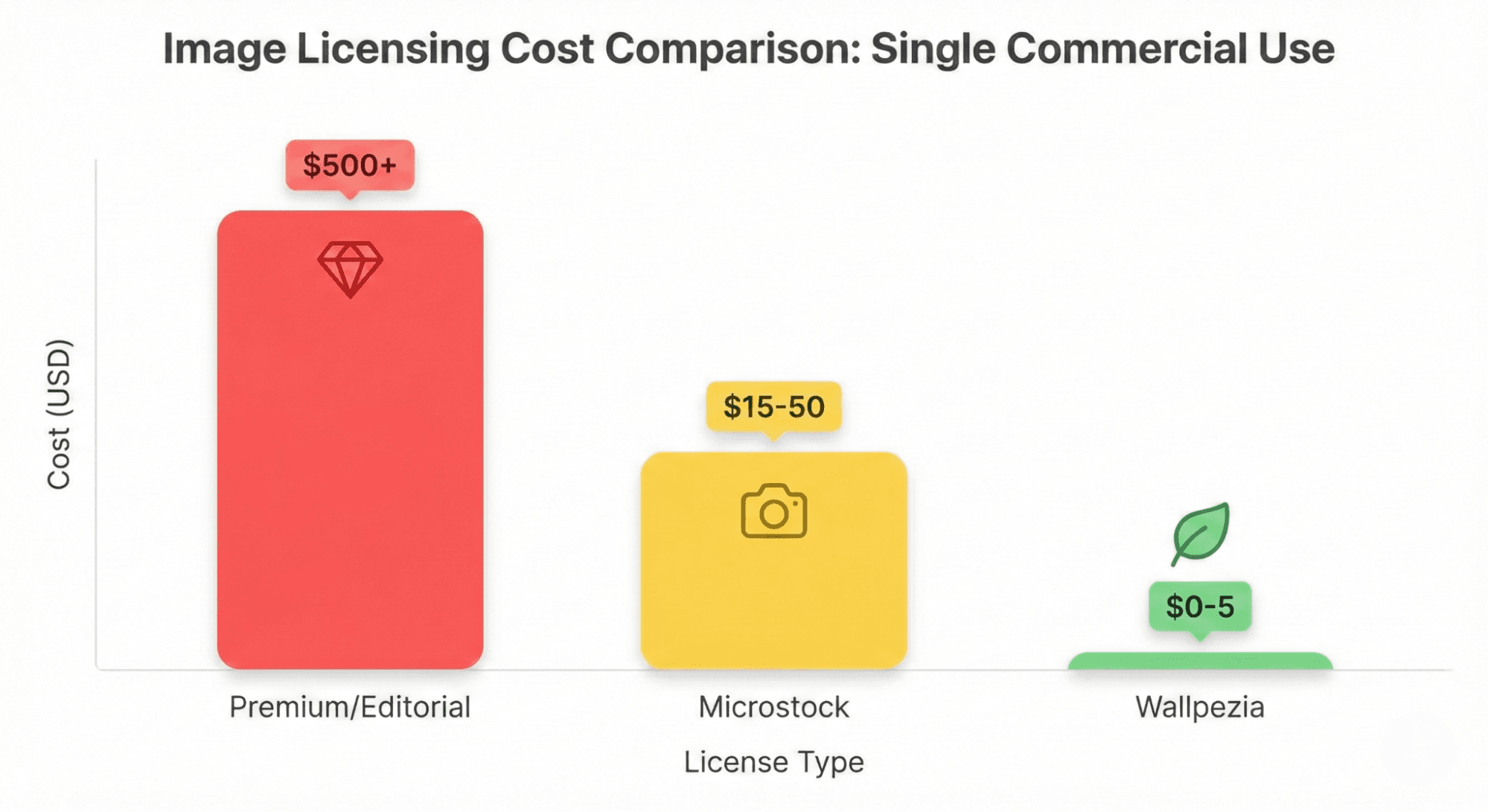
- Premium Libraries (e.g., Getty Images): Known for exclusive, high-end editorial content. Prices are high.
- Microstock Sites (e.g., Shutterstock, iStock): Volume-based models with lower individual costs.
- Curated Free-to-Commercial Libraries (e.g., Wallpezia): Disrupt the market by offering high-quality, cleared images with transparent terms, often for free or at very low friction.
- Exclusivity
- If you want to be the only brand using a specific image (so your competitor doesn't use the same model), you will pay a "Market Freeze" fee, which can run into the thousands.
Typical Cost Ranges by Platform
To help you budget, here is a breakdown of what you can expect to pay across the industry in 2025.
Platform Type | Typical Provider | Standard License Cost | Extended License Cost | Best For |
Premium / Editorial | Getty Images | $175 - $499 per image | $1,500+ per image | Major global ad campaigns & exclusive news. |
Microstock | Shutterstock / Adobe Stock | $29 - $49/mo (Subscription) | $60 - $100 per image | High volume needs (agencies, frequent bloggers). |
Credit Based | iStock / Depositphotos | $9 - $30 per image | $100 - $170 per image | Occasional purchasers who hate subscriptions. |
Curated & Transparent | Wallpezia | Free / Transparent | Free / Transparent | Startups, creators, and brands wanting high quality without the legal headache. |
Budgeting Strategy for Small Businesses
If you are a startup, paying $170 for a single image on a credit-based site might be unsustainable.
- The Trap: Many "free" sites (like Unsplash or Pexels) have great images, but their "free" licenses can sometimes be vague regarding sensitive commercial use or model releases, leaving brands in a gray area.
- The Solution: Platforms like Wallpezia bridge this gap. They focus on transparency, ensuring that when you download an asset—whether a wallpaper, PNG, or stock photo—you know exactly how you can use it, often without the heavy price tag of the legacy giants.
Why Investing in Proper Licenses Matters
You might be tempted to just "right-click and save" from Google Images, or use a cheap image with a dubious license. Here is why that is a bad idea:
- The "Copyright Troll" Bots: Law firms now use automated software to scan the internet for unlicensed images. If they find one on your site, you won't get a warning; you’ll get a demand letter for thousands of dollars.
- Brand Integrity: Using watermarked or low-resolution stolen images looks unprofessional and tells customers you cut corners.
- Peace of Mind: When you source from a trusted platform like Wallpezia, you aren't just downloading a JPEG; you’re downloading the security of knowing you have the right to use it.
Practical Tips for Saving on Licensing Costs
- Bundle Up: If you use paid sites, never buy "pay-as-you-go" credits unless necessary. Monthly subscriptions almost always offer a better per-image rate.
- Check the "Merch" Clause: If you plan to print the image on products for sale (like t-shirts), check the license first. You don't want to design a whole product line only to find out the image requires a $500 Extended License.
- Use Transparent Free Sources: Leverage platforms like Wallpezia. Unlike generic free sites where quality varies, Wallpezia offers curated, high-definition assets (including transparent PNGs and 4K wallpapers) that are safe for commercial projects. It’s the smartest way to stretch a marketing budget without sacrificing visual quality.
Conclusion
The cost of a commercial image license can range from $0 to over $1,500 depending on where you look and what you need. While legacy platforms like Getty and Shutterstock charge a premium for their massive libraries, the modern web offers smarter alternatives.
For businesses that need high-quality visuals—from stunning 4K backgrounds to design-ready assets—without the confusing tiered pricing or legal anxiety, the answer is clear.
Stop guessing with your budget and your legal safety.
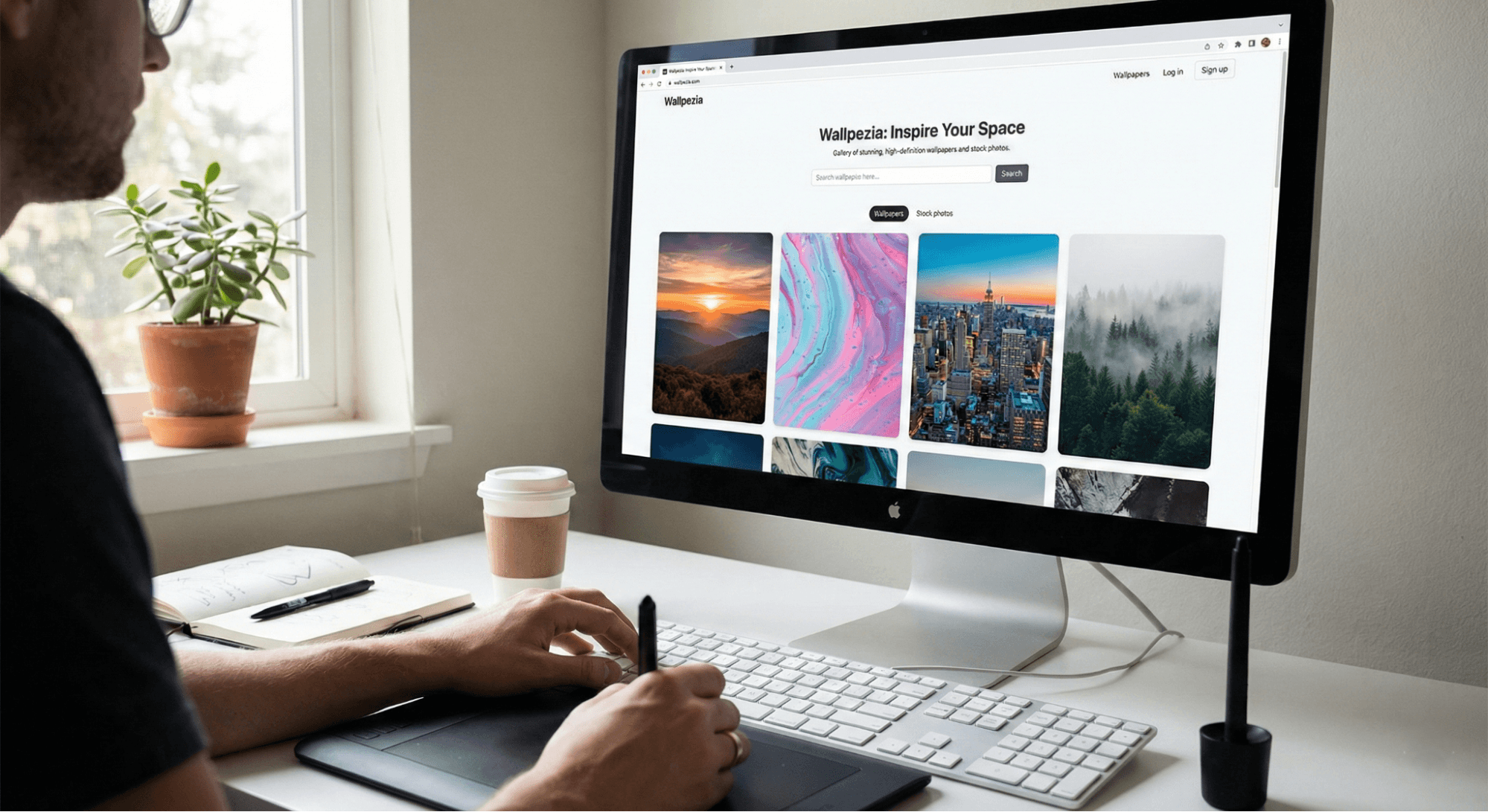
👉 Explore Wallpezia today to discover a library of commercially safe, high-quality images that let you create with confidence.