In an era where the latest smartphones boast computational photography and AI editing, a common question arises: "Do I still need a dedicated camera?"
The answer is a resounding yes. While phones are convenient, a dedicated camera offers physics that software simply cannot replicate. Choosing the right camera opens the door to superior image quality, true creative control through manual settings, and significant professional growth. Whether you are capturing the milky way, freezing a sprinter in motion, or creating cinematic vlogs, the sensor size and optics of a real camera remain unbeaten.
This guide is designed for everyone—from beginner photographers stepping up from a smartphone, to content creators needing crisp 4K video, to designers and visual artists looking to create their own assets. Let’s break down how to navigate the modern camera market to find the perfect tool for you.
1. Understand Your Photography Style First
Before analyzing megapixel counts or autofocus points, you must identify what you actually want to shoot. Buying a camera without knowing your style is like buying a sports car to drive off-road; it’s a powerful tool, but the wrong one for the job.
Identifying your niche helps narrow down the thousands of options into a handful of perfect candidates:
- Portrait Photography: Requires a camera that excels at subject separation (blurring the background) and skin tone reproduction.
- Landscape Photography: Needs high resolution for detail and high dynamic range to balance bright skies and dark shadows.
- Wildlife & Sports Photography: Speed is king here. You need fast burst rates and telephoto lens options.
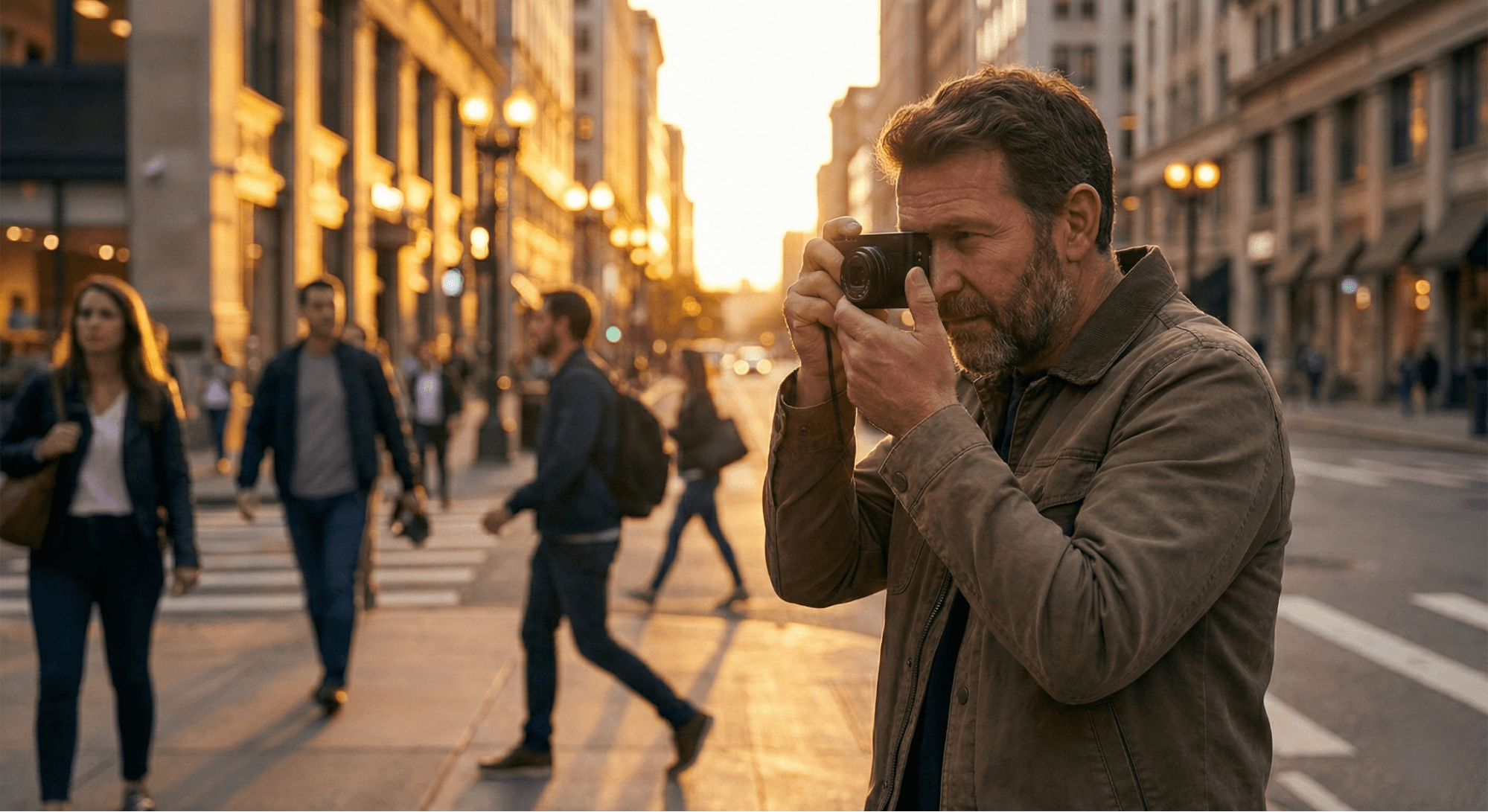
- Street Photography: Requires discrete, compact, and fast-reacting equipment.
- Product & Commercial Photography: Demands extreme sharpness and color accuracy for editing.
- Vlogging & Video Content: Prioritizes stabilization, audio inputs, and reliable continuous autofocus.
2. Camera Types Explained (Which One Fits You Best?)
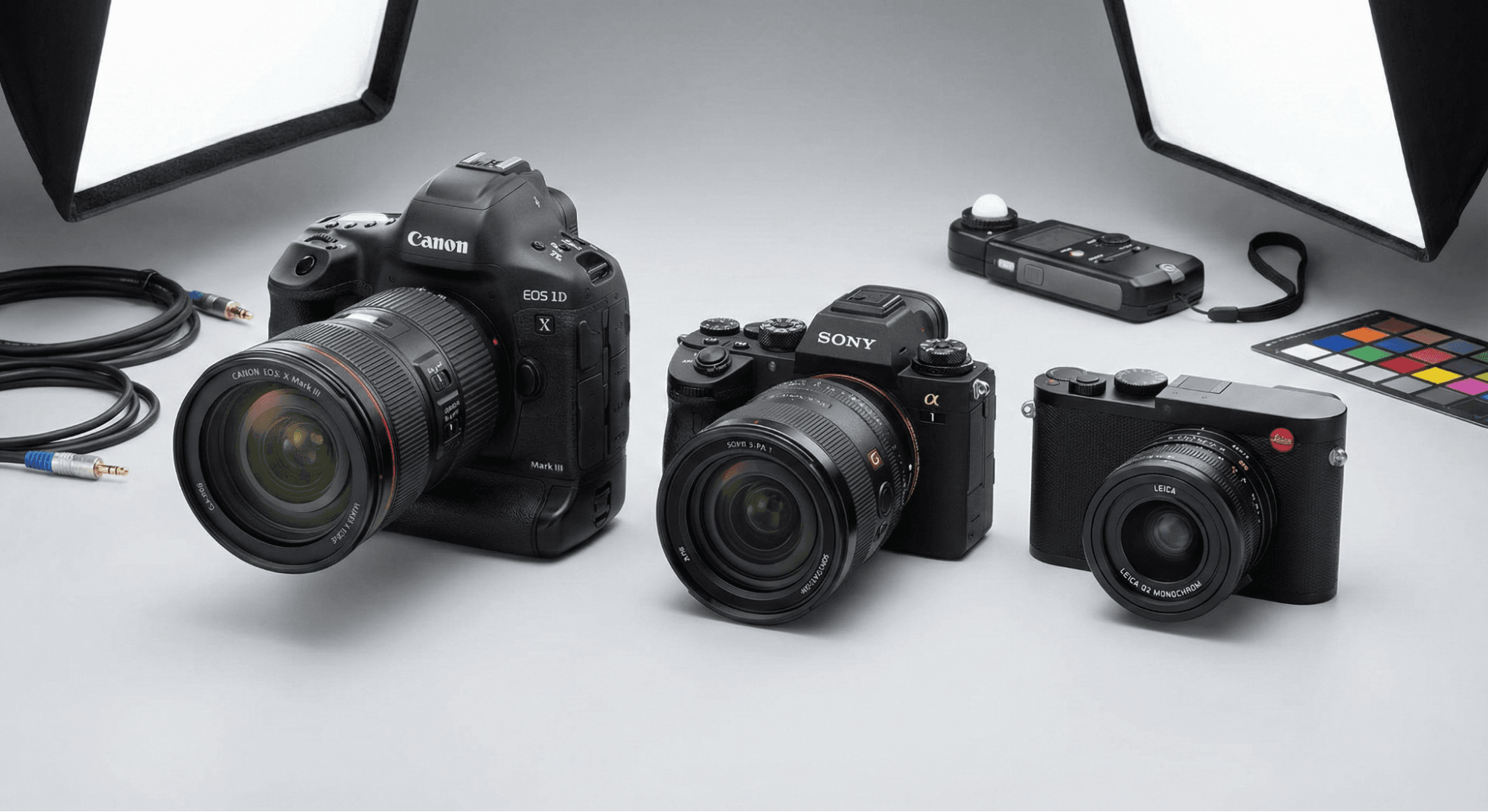
The camera market has matured significantly, with Mirrorless technology largely taking the lead, though other formats still hold tremendous value depending on your needs.
Mirrorless Cameras
- Overview: The current industry standard. They lack the internal mirror mechanism, making them lighter and often faster than DSLRs.
- Key Features: Electronic viewfinders (EVF), superior autofocus tracking (AI-driven), silent shooting capabilities.
- Pros: Compact, latest technology, excellent lens adaptability.
- Cons: Battery life is generally lower than DSLRs due to the electronic screens.
- Best For: Everyone, from beginners to top-tier professionals.
DSLR Cameras
- Overview: The traditional workhorse. While fewer new models are released, they remain reliable, rugged, and widely available.
- Key Features: Optical viewfinder (see reality, not a screen), exceptional battery life.
- Pros: Durable, vast library of used affordable lenses, comfortable ergonomic grip.
- Cons: Bulky, heavier, typically slower video autofocus performance.
- Best For: Purists, sports photographers who prefer optical viewfinders, and budget buyers.
Compact Cameras (Point-and-Shoot)
- Overview: Fixed-lens cameras that prioritize portability without sacrificing too much quality compared to phones.
- Key Features: Integrated high-quality lens, pocket-sized form factor.
- Pros: Extremely portable, discrete, great for travel.
- Cons: Non-interchangeable lenses, generally smaller sensors.
- Best For: Street photography, travel, and casual vlogging.
Action Cameras
- Overview: Tiny, indestructible cameras designed for extreme environments and motion.
- Key Features: Waterproof, extreme wide angles, hyper-stabilization algorithms.
- Pros: Mountable anywhere, rugged build.
- Cons: Poor low-light performance, fixed focus.
- Best For: Adventure travelers and POV shots.
3. Key Camera Features You Must Compare
When reading a spec sheet, it is easy to get overwhelmed. Here are the specificphotography camera features that actually impact your work.
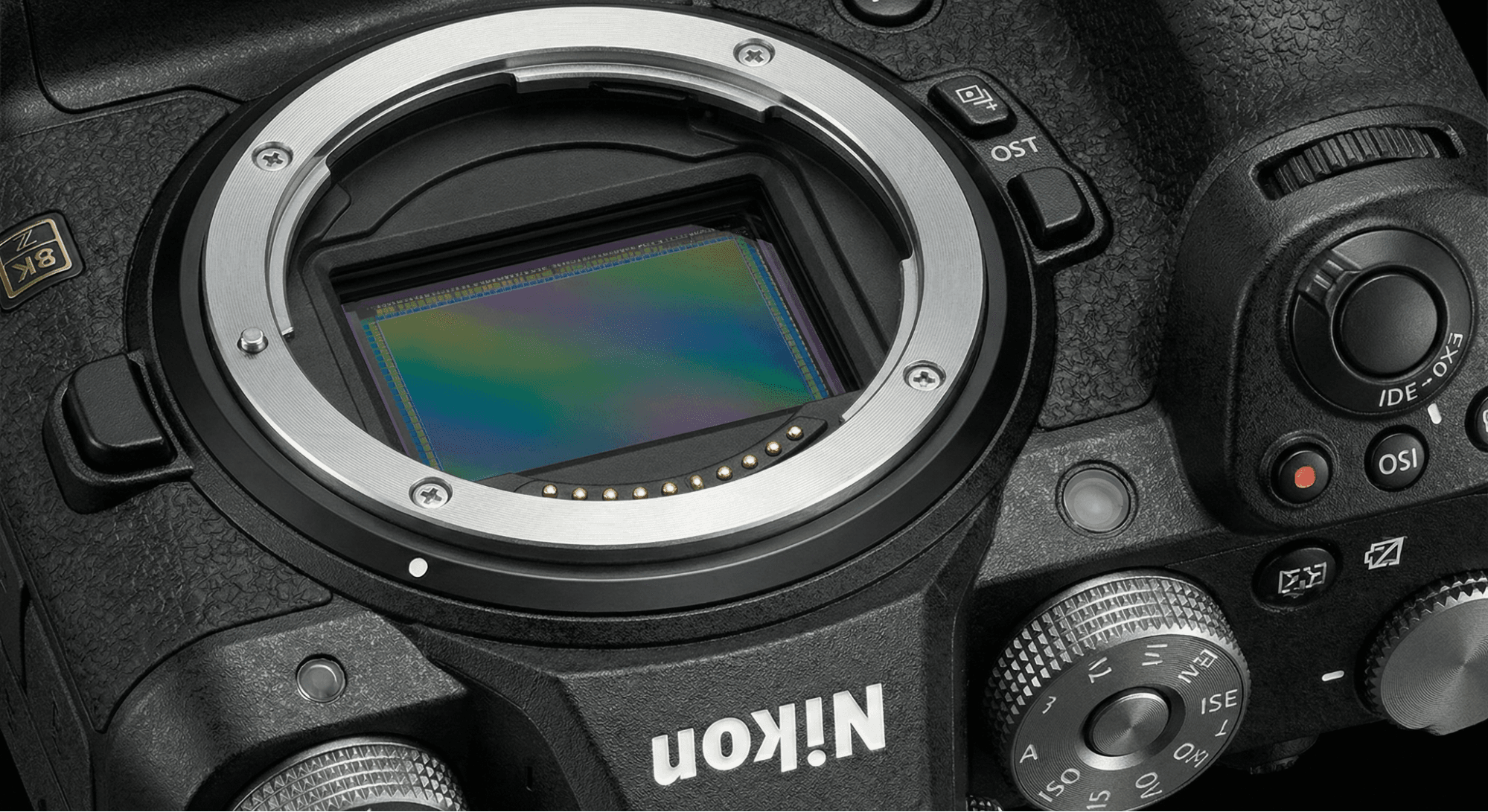
Sensor Size
- Full-Frame: The professional standard. Offers better low-light performance and shallower depth of field (blurrier backgrounds).
- APS-C (Crop Sensor): Smaller and cheaper. Great for wildlife as it "magnifies" the image, giving you more reach with your lenses.
- Micro Four Thirds: Even smaller sensors allowing for tiny lenses. Excellent for video and travel due to size and stabilization.
Megapixels (MP)
More isn't always better. 24MP is the sweet spot for most users. You typically only need 45MP+ if you are printing extremely large billboards or cropping heavily into your images.
Autofocus Systems
Look for modern systems with "Real-time Tracking" or "Eye-AF" for humans, animals, and vehicles. The camera should do the heavy lifting of focusing so you can concentrate on composition. This is a crucial area where the DSLR vs mirrorless battle is often won by mirrorless tech.
ISO Performance
If you plan to shoot concerts, events, or night street photography, you need a camera that produces clean, noise-free images at high ISO levels (low light sensitivity).
Video Specs
For content creators, look for uncropped 4K video, 10-bit color (essential for color grading), and In-Body Image Stabilization (IBIS) to keep handheld shots smooth without a gimbal.
4. Matching Camera Features with Photography Styles
Now, let’s map the features to your specific needs to help you decide on thebest camera for photography in your genre.
For Portrait Photographers
Focus on Eye Autofocus andLens Selection. You need access to "fast" prime lenses (like 50mm f/1.8 or 85mm f/1.4). Full-frame sensors are preferred here to achieve that creamy background blur that separates the subject from the environment.
For Landscape & Travel
Prioritize Dynamic Range andWeather Sealing. A high-megapixel count is useful here for capturing intricate details in nature, allowing you to crop in without losing quality.
For Product & Commercial Work
Commercial work often requires isolating subjects and creating transparent assets. High resolution is key here. If you are learning how to handle these files for web use, understanding file formats is vital.
- Relevant Guide: How to Use PNG Images in Your Projects?
For Wildlife & Sports
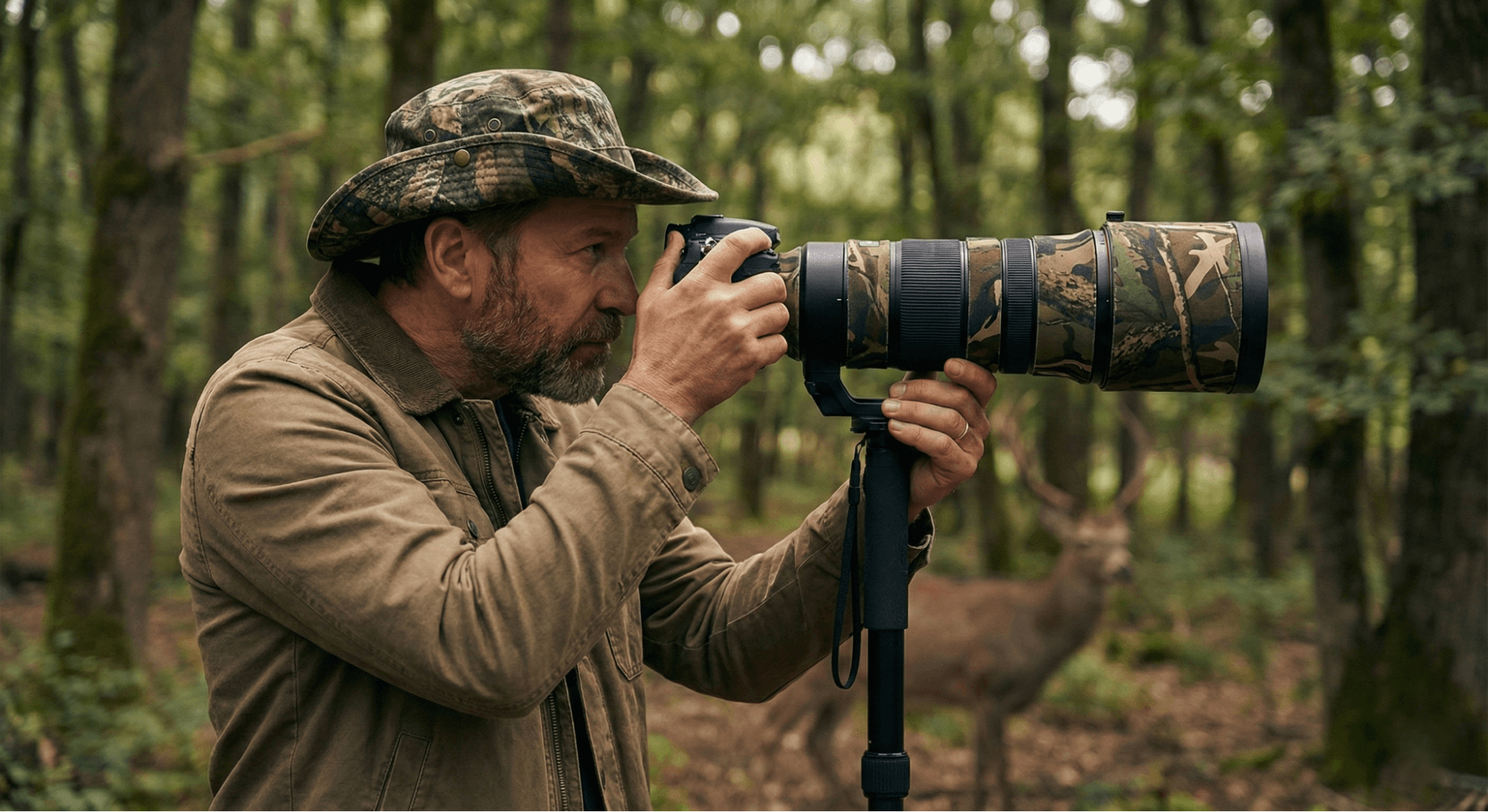
Speed is everything. Look for a high Frame Rate (FPS)—at least 10–20 frames per second—and a sophisticated autofocus system that can lock onto moving subjects. APS-C sensors are often the best camera for photography in this genre because they extend the reach of your zoom lenses.
For Designers & Visual Artists
Visual artists often use cameras to capture textures, references, or assets for branding. Understanding composition is just as important as the gear itself.
- Relevant Guide: What are the 7 Main Principles of Design?
5. Budget vs Performance (Smart Buying Guide)
One of the biggest mistakes beginners make is spending their entire budget on a camera body and leaving nothing for lenses.
Entry-Level (The Learner)
Perfect for the best camera for beginners. These cameras have simplified menus but offer full manual controls to help you learn exposure triangles.
- Strategy: Buy a cheaper body and a "nifty fifty" (50mm f/1.8) lens. This combo will almost always outperform a pro body with a cheap kit lens.
Mid-Range (The Enthusiast)
The sweet spot of the market. These cameras often share the same sensors and processors as pro models but have plastic bodies instead of magnesium alloy. They offer professional quality image output at a fraction of the price.
Professional (The Investment)
Built like tanks with dual card slots (for data backup). Only invest here if you are paid to shoot, require extreme weather durability, or need the absolute fastest workflow speeds.
Pro Tip: Lenses hold their value for years; camera bodies depreciate like laptops. Always prioritize investing in good "glass."
6. Usability & Photography Tips
A camera is a tool you hold for hours. If it is uncomfortable or frustrating to use, it will stay on your shelf.
- Ergonomics: Go to a store and physically hold the camera. Is the grip deep enough for your hand? Are the buttons reachable without looking?
- Menu System: Some brands have intuitive touch menus similar to smartphone interfaces, while others are dense and technical. Choose one that makes sense to you.
- Portability: The best camera is the one you have with you. A heavy system might be technically superior, but a lighter mirrorless setup is the one you will actually bring on a hike.
For designers and creative professionals, integrating photography into your workflow can expand your career capabilities significantly.
- Relevant Guide: What Does a Designer Do? A Comprehensive Guide to Roles, Responsibilities, and Skills
Conclusion
Choosing the best camera for your photography style is less about buying the most expensive gear and more about understanding your creative needs. Whether you choose a lightning-fast mirrorless for sports or a high-resolution sensor for landscapes, the goal is to find a tool that becomes an extension of your vision.
Start by identifying your style, compare the key features that matter to you, and remember that lenses are your best long-term investment. Avoid the hype of the latest release cycles and focus on gear that helps you create the work you imagine.
Once you have your gear, Wallpezia is here to help with visual inspiration and creative resources to keep your artistic journey moving forward.
Happy shooting!
@All assets in this blog are sourced from Wallpezia